Bridal jewellery is an important part of wedding attire and often reflects a combination of personal style, cultural traditions, craftsmanship, and family heritage. From traditional gold necklaces and bridal earrings to contemporary diamond jewellery and statement pieces, brides today have a wide range of designs to consider.
The right bridal jewellery can complement a wedding outfit without overwhelming it. Factors such as the neckline of the dress or saree, wedding ceremony traditions, colour palette, hairstyle, and overall bridal styling can influence which jewellery pieces work best together. Understanding the different categories and materials can make the selection process easier.
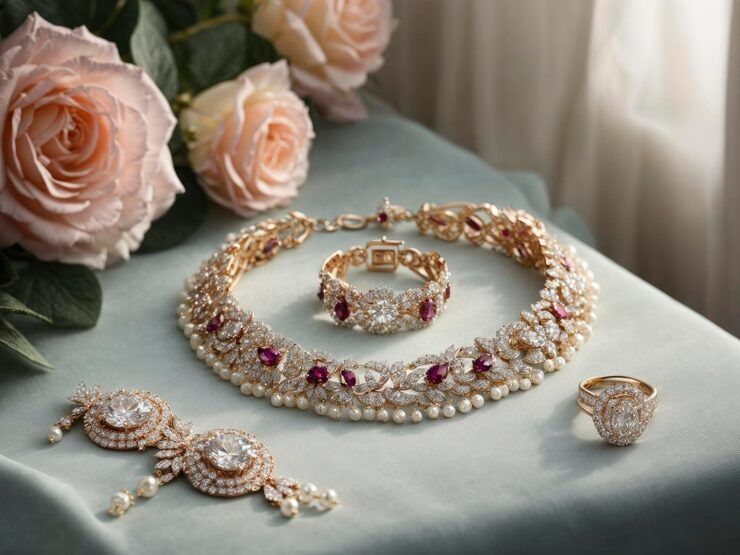
Why Bridal Jewellery Matters
Bridal jewellery often carries meaning beyond its decorative purpose. In many cultures, particular jewellery pieces are associated with important wedding traditions and ceremonies. Gold jewellery, for example, has long been connected with weddings and family occasions in many parts of the world.
Modern bridal styling has also expanded beyond traditional designs. Brides may combine heritage jewellery with contemporary pieces, creating a look that reflects both cultural identity and individual preferences. This has contributed to growing interest in wedding jewellery designs that balance classic details with modern aesthetics.
Popular Types of Bridal Jewellery
Bridal Necklaces
A bridal necklace is often one of the most noticeable jewellery pieces in a wedding ensemble. Traditional options can include layered necklaces, temple-inspired designs, choker necklaces, and long necklace sets. Contemporary bridal collections may feature simpler geometric patterns, gemstone details, or combinations of different metals.
The neckline of the bridal outfit should be considered when selecting a necklace. A heavily decorated neckline may work better with a balanced necklace design, while a simpler neckline can provide more space for a statement necklace.
Bridal Earrings
Bridal earrings can complement the necklace, hairstyle, and shape of the face. Popular styles include jhumkas, chandbali earrings, drop earrings, studs, and chandelier-inspired designs.
The size and weight of earrings are important practical considerations. Large earrings can create a dramatic appearance, but comfortable designs may be more suitable when jewellery needs to be worn for several hours during wedding ceremonies and celebrations.
Bridal Bangles and Bracelets
Bangles and bracelets are commonly incorporated into bridal jewellery styling. Traditional bangles may be made from gold or other materials and can sometimes be combined with decorative stones or enamel work.
Modern bridal styling can include a smaller number of statement bracelets instead of multiple bangles. The choice generally depends on the outfit, ceremony, and desired visual balance.
Bridal Rings
A bridal ring can be both decorative and symbolic. Engagement rings, wedding bands, and statement rings may all form part of a bride's jewellery collection.
Diamond rings remain a popular category within wedding jewellery, while gemstone rings provide an alternative for brides looking for colour and distinctive designs. The metal, gemstone, setting, and overall design can influence how a ring coordinates with other jewellery pieces.
Maang Tikka and Hair Jewellery
Maang tikka and other forms of bridal hair jewellery can add traditional character to a wedding appearance. These pieces are particularly common with South Asian bridal styling.
Modern variations can range from delicate designs to elaborate pieces coordinated with necklaces and earrings. Hair accessories can also be selected according to the hairstyle so that the jewellery remains secure throughout the ceremony.
Gold and Diamond Bridal Jewellery
Gold Bridal Jewellery
Gold jewellery continues to have a strong place in bridal traditions. Different regions have their own gold jewellery styles, including intricate patterns, engraved designs, traditional motifs, and handcrafted details.
When considering gold jewellery, buyers often examine factors such as purity, craftsmanship, design, hallmarking, and documentation. Understanding these characteristics can help consumers make informed decisions when comparing different jewellery pieces.
Diamond Bridal Jewellery
Diamond jewellery is another major category in the bridal market. Diamonds can be incorporated into necklaces, earrings, rings, bracelets, and other accessories.
When evaluating diamond jewellery, consumers may consider characteristics such as the four Cs: cut, colour, clarity, and carat weight. Certification from a recognized gemological laboratory can also provide information about a diamond's characteristics.
Traditional and Modern Bridal Jewellery
Traditional Bridal Designs
Traditional bridal jewellery frequently incorporates cultural motifs and craftsmanship that have been passed through generations. Temple jewellery, Kundan-inspired designs, Polki jewellery, antique-style gold pieces, and regional jewellery traditions are examples of styles associated with different wedding cultures.
These designs can create a strong connection between the wedding ceremony and cultural heritage.
Modern Bridal Trends
Contemporary bridal jewellery increasingly includes minimalist necklaces, geometric patterns, delicate diamond pieces, mixed-metal designs, and versatile jewellery that can be worn beyond the wedding ceremony.
Some brides choose to combine traditional jewellery with modern pieces. This approach can create a layered appearance while allowing individual pieces to stand out.
How to Coordinate Bridal Jewellery With a Wedding Outfit
Consider the Neckline
The neckline is one of the first elements to consider when selecting a bridal necklace. A high neckline may pair well with shorter or simpler jewellery, while an open neckline can provide space for layered necklaces or a statement piece.
The goal is to create visual balance rather than having every element compete for attention.
Match Jewellery With the Outfit
Jewellery should complement the colours and decorative details of the bridal outfit. Gold can coordinate naturally with warm colour palettes, while diamond and white-metal jewellery may create a different appearance with lighter or cooler tones.
Gemstone jewellery can also introduce accent colours that connect the jewellery with embroidery, fabrics, or other wedding accessories.
Balance Different Pieces
Wearing multiple statement pieces can sometimes make a bridal look appear visually crowded. A large necklace may be balanced with simpler earrings, while statement earrings can be paired with a more delicate necklace.
Creating a clear focal point can make the overall jewellery styling appear more coordinated.
Jewellery Materials and Gemstones
Bridal jewellery can include several metals and gemstones. Gold, platinum, and silver are commonly used jewellery metals, while diamonds, emeralds, rubies, sapphires, pearls, and other gemstones may be incorporated into designs.
Each material has different characteristics related to appearance, durability, maintenance, and value. Consumers should review product specifications and authenticity documentation when evaluating precious jewellery.
How to Care for Bridal Jewellery
Proper jewellery care can help preserve its appearance over time. Pieces should generally be kept away from harsh chemicals, perfumes, cosmetics, and excessive moisture where appropriate.
Jewellery can be stored individually in suitable boxes or soft pouches to reduce scratching. Periodic professional inspection may also help identify loose stones, damaged settings, or other issues before they become more significant.
Bridal Jewellery Trends to Watch
Bridal jewellery continues to evolve as wedding fashion changes. Current interest includes a combination of traditional craftsmanship and contemporary styling, with brides increasingly looking for pieces that can work across different occasions.
Personalized designs, lightweight jewellery, layered necklaces, delicate diamond pieces, colourful gemstones, and heritage-inspired patterns are among the themes commonly seen across modern bridal styling. The popularity of a particular trend can vary by region, culture, and individual preference.
Things to Consider Before Choosing Bridal Jewellery
Choosing bridal jewellery involves more than selecting an attractive design. The wedding outfit, ceremony type, personal style, comfort, jewellery material, craftsmanship, and long-term use can all influence the decision.
It is also useful to consider how individual pieces work together. A coordinated jewellery collection does not necessarily require every piece to have the same design. Similar motifs, metals, gemstones, or colour elements can create visual consistency while maintaining variety.
Conclusion
Bridal jewellery combines fashion, craftsmanship, tradition, and personal expression. From gold necklaces and traditional earrings to diamond rings and contemporary jewellery designs, there are many options for creating a coordinated wedding look.
Understanding jewellery types, materials, gemstones, styling principles, and care requirements can help brides make informed choices. Whether the preference is traditional, modern, minimalist, or a combination of styles, the most effective approach is to select jewellery that complements the wedding outfit while remaining comfortable and meaningful.